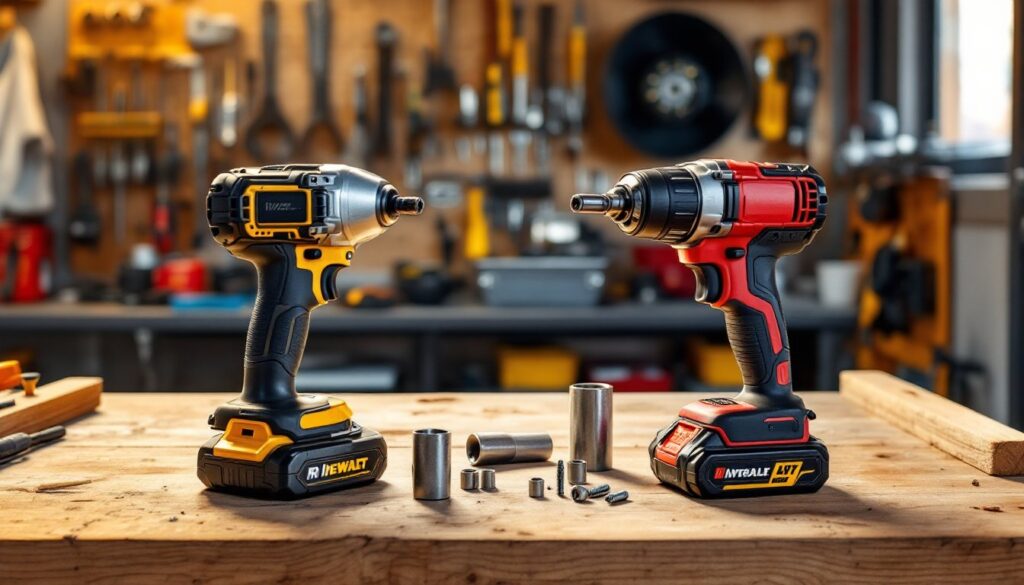

Walk into any tool aisle and you’ll spot two similar-looking tools with “impact” in their names. Both make that distinctive rat-a-tat sound under load, both claim serious torque, and both will drain your wallet if you buy the wrong one for your needs. But here’s the thing: impact wrenches and impact drivers are built for completely different jobs, and confusing the two is a fast way to strip fasteners, crack materials, or waste money on a tool that sits unused in your garage. This guide breaks down what separates these impact tools, how each one works, and exactly which projects call for each. No fluff, just the specs, applications, and practical advice you need before you buy.
Table of Contents
ToggleKey Takeaways
- Impact wrenches deliver 200–1,000+ ft-lbs of torque with a square-drive anvil for sockets, making them essential for automotive work, deck construction, and removing rusted bolts.
- Impact drivers provide 125–165 ft-lbs of torque via a 1/4-inch hex collet optimized for screw-driving in wood, metal, and composite materials without stripping fastener heads.
- Choose an impact wrench when working with nuts, bolts, or large lag screws that require high breakaway force; use an impact driver for repetitive screw-fastening tasks like drywall hanging and deck building.
- Impact wrenches spin slower (1,500–2,500 RPM) to maximize torque, while impact drivers spin faster (2,500–3,000 RPM) for efficient screw insertion and quick bit changes.
- Never use chrome sockets on impact wrenches as they can shatter under impact force; always choose black oxide or impact-rated sockets to ensure safety and durability.
- Always wear safety glasses and hearing protection when operating either tool, as impact wrenches exceed 100 dB and both tools pose risks from flying debris or fastener failure.
What Is an Impact Wrench and How Does It Work?
An impact wrench (sometimes called an impact gun) is a socket-driving tool designed to deliver high rotational torque in short, powerful bursts. It uses a square drive anvil, most commonly 1/2-inch, though 3/8-inch and 1/4-inch models exist, that accepts standard socket sets.
Inside the tool, a spring-loaded hammer mechanism stores energy, then releases it in rapid impacts against an anvil. This hammering action delivers torque in pulses rather than continuous rotation, which allows the tool to loosen stuck bolts without transferring all that rotational force back into your wrist. You’ll hear a loud, repetitive knock when the wrench is working under load.
Impact wrenches are measured by torque output, typically expressed in foot-pounds (ft-lbs) or Newton-meters (Nm). Cordless models range from around 150 ft-lbs for compact 3/8-inch versions up to 1,000+ ft-lbs for heavy-duty 1/2-inch models used in automotive and construction work. Pneumatic (air-powered) impact wrenches remain popular in professional garages because they deliver consistent power without battery concerns.
The key design feature? High torque, low RPM. Impact wrenches spin slower than drills or drivers, often 1,500 to 2,500 RPM, but they hit hard. That makes them ideal for fasteners that require serious breakaway force: lug nuts, structural bolts, lag screws into framing, and rusted hardware.
What Is an Impact Driver and How Does It Work?
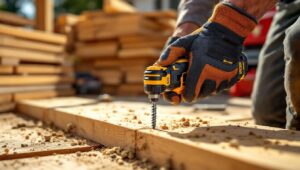
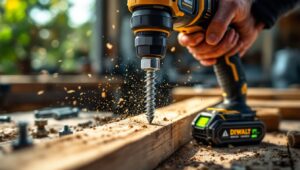
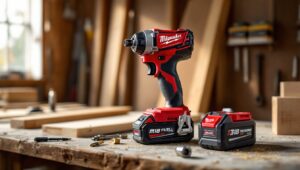
An impact driver looks like a compact drill but uses the same hammering impact mechanism to drive screws and drill holes. Instead of a socket anvil, it has a 1/4-inch hex collet (sometimes called a quick-change chuck) that accepts hex-shank bits, screwdriver bits, drill bits, nut drivers, and specialty bits with hex shanks.
The internal mechanics are similar to an impact wrench: a spring-loaded hammer delivers rotational impacts to the anvil. But the driver’s design prioritizes higher RPM and moderate torque. Most cordless impact drivers spin at 2,500 to 3,000 RPM with torque outputs between 1,500 and 2,000 inch-pounds (in-lbs), that’s roughly 125 to 165 ft-lbs, significantly less than a full-size impact wrench.
Why does that matter? Because impact drivers excel at driving screws into wood, metal, and composite materials without stripping heads or camming out. The pulsing torque keeps the bit seated in the screw head, even when you’re sinking a 3-inch deck screw into pressure-treated lumber. Homeowners and builders often compare cordless drill/drivers and impact drivers when choosing which tool to add to their kit.
The 1/4-inch hex collet is a huge advantage for speed. Bits snap in and out with one hand, no chuck key, no twisting a sleeve. That quick-change design makes an impact driver faster than a drill for repetitive fastening tasks, like hanging drywall, building a deck, or assembling cabinets.
Key Differences Between Impact Wrenches and Impact Drivers
Both tools use impact mechanisms, but their intended applications and design details diverge sharply. Here’s what separates them in real-world use.
Torque Output and Power Capabilities
Torque is the biggest distinction. Impact wrenches deliver 200 to 1,000+ ft-lbs of torque, while impact drivers max out around 125-165 ft-lbs (converted from inch-pounds). That three-to-seven-fold difference in power defines which fasteners each tool can handle.
An impact wrench can break loose a 19mm lug nut torqued to 100 ft-lbs or drive a 1/2-inch lag bolt into a 6×6 post. An impact driver can sink #10 x 3-inch screws into dimensional lumber all day, but it’ll stall out or strip the head trying to tackle larger structural fasteners. If you’re working on automotive projects, heavy timber framing, or removing rusted bolts, the wrench’s power is non-negotiable.
Speed also differs. Impact drivers spin faster (2,500–3,000 RPM), which suits screw-driving. Wrenches prioritize torque over speed (1,500–2,500 RPM), which is better for turning nuts and bolts without stripping threads.
Chuck Type and Bit Compatibility
The anvil vs. collet distinction controls what you can attach. Impact wrenches use square drive anvils, 1/2-inch is standard for DIYers and pros, with detent pins or friction rings to hold sockets in place. You’ll pair the wrench with a standard impact-rated socket set (never use chrome sockets: they can shatter under impact force, always use black oxide or impact-grade sockets).
Impact drivers use a 1/4-inch hex collet that accepts only hex-shank bits. You can buy hex-to-square adapters to use sockets on an impact driver, but that’s a compromised solution for light-duty work. The adapter adds length and wobble, and the driver’s lower torque means you’re limited to smaller fasteners.
Bottom line: if you need to turn nuts and bolts, use a wrench with sockets. If you’re driving screws or drilling with hex-shank bits, the driver is your tool.
When to Use an Impact Wrench for Home Projects
An impact wrench is the right choice anytime you’re dealing with nuts, bolts, or large lag screws that require high breakaway torque or precise torque specs. Here are the home projects where it shines:
Automotive work. Changing tires, rotating wheels, brake jobs, suspension work, anything involving lug nuts or axle bolts. A 1/2-inch cordless impact wrench with at least 300 ft-lbs of torque handles most passenger vehicles. For trucks and SUVs, aim for 400+ ft-lbs. Pair it with a torque stick or follow up with a torque wrench to tighten lug nuts to spec (typically 80-100 ft-lbs for cars, higher for trucks).
Deck and fence construction. Driving 1/2-inch lag bolts through ledger boards into rim joists, or bolting 4×4 posts to concrete footings with anchor bolts. An impact driver will struggle with lags over 3/8-inch diameter: the wrench powers through without pre-drilling oversized pilot holes.
Furniture assembly and equipment. Heavy-duty furniture, swing sets, playground equipment, and steel shelving often use hex bolts and carriage bolts with nuts. An impact wrench with a deep socket set tightens these quickly and evenly.
Removing rusted or seized fasteners. The hammering action of an impact wrench can break loose corroded bolts that would snap if you tried turning them with a breaker bar or ratchet. Spray with penetrating oil, let it sit, then hit it with the wrench in short bursts. Many restoration and repair experts at Bob Vila recommend this approach for vintage hardware.
Safety note: Always wear safety glasses when using an impact wrench. Flying rust, broken fasteners, or a dropped socket can cause injury. Use hearing protection, impact wrenches are loud, often exceeding 100 dB.
When to Use an Impact Driver for DIY Tasks
An impact driver is the go-to for screw-driving and light fastening across nearly every residential DIY project. If you’re driving more than a dozen screws, the driver is faster, easier on your wrist, and less likely to strip heads than a drill/driver. Here’s where it earns its keep:
Deck building. Driving hundreds of deck screws (typically #10 x 2-1/2-inch or 3-inch) into joists and decking. The driver won’t bog down in treated lumber or dense hardwoods like composite decking, and the bit stays seated even in angled or overhead positions.
Framing and sheathing. Fastening OSB or plywood sheathing to studs with screws instead of nails. Some builders prefer screws for subfloors and wall sheathing because they don’t pop loose like nails. Renovation crews featured on This Old House often reach for an impact driver for this type of work.
Cabinetry and trim work. Driving pocket screws with a Kreg jig, assembling face frames, or fastening cabinet boxes to studs. The driver’s compact size fits into tight spaces, and the quick-change hex collet swaps between drill bits and driver bits in seconds.
Drywall hanging. Installing drywall with #6 x 1-1/4-inch or 1-5/8-inch drywall screws. Use a depth-setting bit (drywall dimpler) to set screws just below the surface without tearing the paper face.
Fastening metal. Driving self-tapping screws into sheet metal, steel studs, or metal roofing. The impact action keeps the bit from walking off the screw head, and the driver provides enough torque to tap and seat the screw in one motion.
Drilling. An impact driver can drill holes with hex-shank twist bits or spade bits, though it’s louder and more aggressive than a drill. For repetitive hole-drilling in wood or light-gauge metal, it works fine. For precision drilling or masonry, stick with a standard drill or hammer drill.
When not to use an impact driver: Delicate work (finish carpentry with small brads or screws near edges where the torque might split wood), applications requiring precise torque settings (like tightening bolts to spec, impact drivers lack adjustable torque clutches), or driving fasteners into brittle materials like tile or thin plastics.
PPE reminder: Wear safety glasses and consider hearing protection for extended use. Impact drivers are quieter than wrenches but still produce sharp, repetitive noise.